


How should an operator move a pallet truck
 Dec 16, 2025|
 View:498
Operating a pallet truck, whether manual or electric, is a fundamental skill in warehouses, distribution centers, and manufacturing facilities. These versatile tools are designed to transport heavy loads efficiently, but improper handling can lead to accidents, product damage, or equipment failure. This article outlines the step-by-step process for safely and effectively moving a pallet truck, emphasizing best practices, safety protocols, and operational techniques. By mastering these principles, operators can enhance workplace safety, prolong equipment lifespan, and optimize workflow efficiency.
1.Understanding the Basics of a Pallet Truck
Before operating a pallet truck, it is essential to understand its components and functionality. A typical pallet truck consists of a forked base for inserting under pallets, a hydraulic pump (in manual models) or an electric motor (in powered models), and a handle for steering and control. The load capacity varies, but most standard models handle between 2,000 to 5,000 pounds.
Manual vs. Electric Pallet Trucks:
Manual pallet trucks require physical effort to pump the handle and lift the forks. They are cost-effective and suitable for lighter loads or short distances.
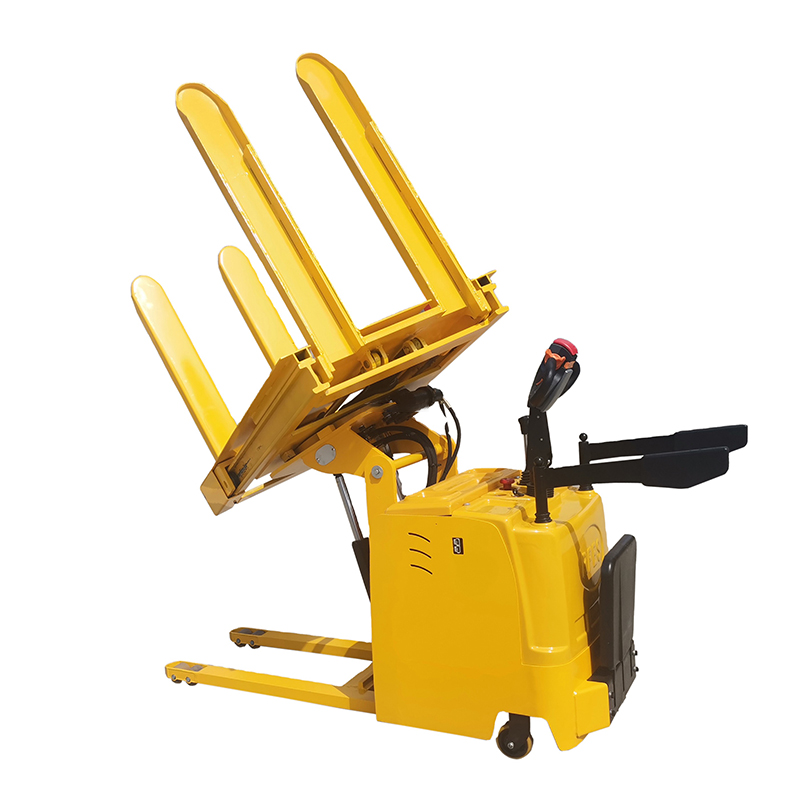
Electric pallet trucks are powered by batteries and use motors to lift and propel loads. They are ideal for heavy-duty tasks or frequent use over long distances.
Understanding these differences helps operators choose the right tool for the job and adjust their techniques accordingly.
2.Pre-Operational Safety Checks
Safety is paramount when operating a pallet truck. Conducting a pre-use inspection reduces the risk of accidents and ensures the equipment functions correctly.
Key Checks Include:
Visual Inspection: Examine the pallet truck for visible damage, such as bent forks, cracked wheels, or loose bolts. Report any issues to maintenance immediately.
Wheel Condition: Ensure wheels rotate smoothly and are free of debris. Worn or damaged wheels can cause instability.
Hydraulic System (Manual Models): Test the pump by lifting and lowering the forks several times. Leaks or stiffness indicate a need for repair.
Battery (Electric Models): Verify the battery is fully charged and securely connected. Low power can lead to sudden stops or reduced maneuverability.
Load Capacity: Confirm the pallet truck’s rated capacity matches the load weight. Overloading can cause tipping or structural failure.
3.Proper Loading Techniques
Loading a pallet truck correctly is critical for stability and safety. Follow these steps:
Align the Forks: Insert the forks evenly under the pallet, ensuring they are fully extended and centered. Misalignment can cause the load to shift during transport.
Lift the Load: For manual pallet trucks, pump the handle until the pallet clears the ground by 1–2 inches. Electric models require pressing the lift button or lever.
Secure the Load: Check that the pallet is stable on the forks. If the load is uneven or oversized, use straps or additional support to prevent slippage.
Lower the Handle (Manual Models): Tilt the handle back slightly to engage the braking mechanism, which stabilizes the load during movement.
4.Moving the Pallet Truck Safely
Once loaded, moving the pallet truck requires focus and control. Adhere to these guidelines:
a. Maintain a Stable Posture
Keep your back straight and bend your knees when operating a manual pallet truck to avoid strain.
Grip the handle firmly but avoid excessive force, which can lead to fatigue or loss of control.
b. Control Speed and Direction
Move slowly, especially in crowded or confined spaces. Sudden stops or turns can cause the load to shift or the pallet truck to tip.
Use the handle to steer smoothly. For electric models, adjust the speed settings to match the environment (e.g., slower speeds in narrow aisles).
c. Navigate Obstacles and Inclines
Avoid sharp turns, which can destabilize the load. Pivot the pallet truck in a wide arc instead.
On ramps or inclines, keep the load uphill to prevent rolling. For manual models, enlist help for heavy loads on slopes.
Watch for uneven surfaces, such as cracks or thresholds, which can jolt the pallet truck and dislodge the load.
d. Communicate with Pedestrians
Use audible signals (e.g., a horn) to alert others of your presence, especially in busy areas.
Yield the right of way to pedestrians and avoid blocking walkways or emergency exits.
5.Unloading the Pallet Truck
Unloading requires as much care as loading to prevent accidents. Follow these steps:
Position the Pallet Truck: Park the pallet truck on a flat, stable surface. Engage the brake (manual models) or set the parking mode (electric models).
Lower the Load: Slowly release the hydraulic lever (manual) or press the lower button (electric) until the pallet rests securely on the ground.
Withdraw the Forks: Pull the forks out carefully, ensuring they do not scratch the floor or damage the pallet.
Store the Pallet Truck: Return it to its designated storage area, ensuring it does not obstruct pathways or equipment.
6.Maintenance and Storage Best Practices
Regular maintenance extends the lifespan of a pallet truck and ensures consistent performance.
Cleaning: Wipe down the pallet truck after use to remove dirt, debris, or spills that could corrode components.
Lubrication: Lubricate moving parts, such as wheels and pivot points, to reduce friction and wear.
Battery Care (Electric Models): Follow the manufacturer’s guidelines for charging and storing batteries. Avoid overcharging or exposing them to extreme temperatures.
Scheduled Inspections: Implement a routine inspection schedule to identify and address wear and tear proactively.
Conclusion
Mastering the operation of a pallet truck is a blend of technical knowledge, safety awareness, and practical skill. By conducting pre-use checks, loading and unloading carefully, moving with control, and maintaining the equipment properly, operators can minimize risks and maximize efficiency. Whether using a manual or electric pallet truck, adherence to these principles ensures smooth, safe, and productive workflows. Remember, the key to effective pallet truck operation lies in attention to detail—from the initial inspection to the final storage. By prioritizing safety and precision, operators can harness the full potential of this indispensable tool in material handling environments.
FAQ
Q: What is the maximum load capacity of a standard pallet truck?
A: Most standard pallet trucks have a load capacity of 2,500–5,000 kg, depending on the model and frame design. Always check the manufacturer’s specs.
Q: How do I maintain a pallet truck for long-term durability?
A: Regularly lubricate moving parts, check wheel conditions, and inspect hydraulic systems. Store it in a dry place to prevent rust and corrosion.
Q: Can pallet trucks be used on inclined surfaces or ramps?
A: Yes, but only on gentle slopes (≤5%). Avoid steep inclines to prevent tipping or loss of control. Always push, never pull, when ascending.
Q: What safety features should I look for in a pallet truck?
A: Key features include ergonomic handles, brake systems, overload protection, and non-slip forks. Some models offer speed control for added safety.
Q: Are electric pallet trucks suitable for small warehouses?
A: Absolutely! Electric models save effort in tight spaces, require less operator strain, and are ideal for frequent, short-distance material handling tasks.


