


How to operate electric forklift
 Aug 25, 2025|
 View:432
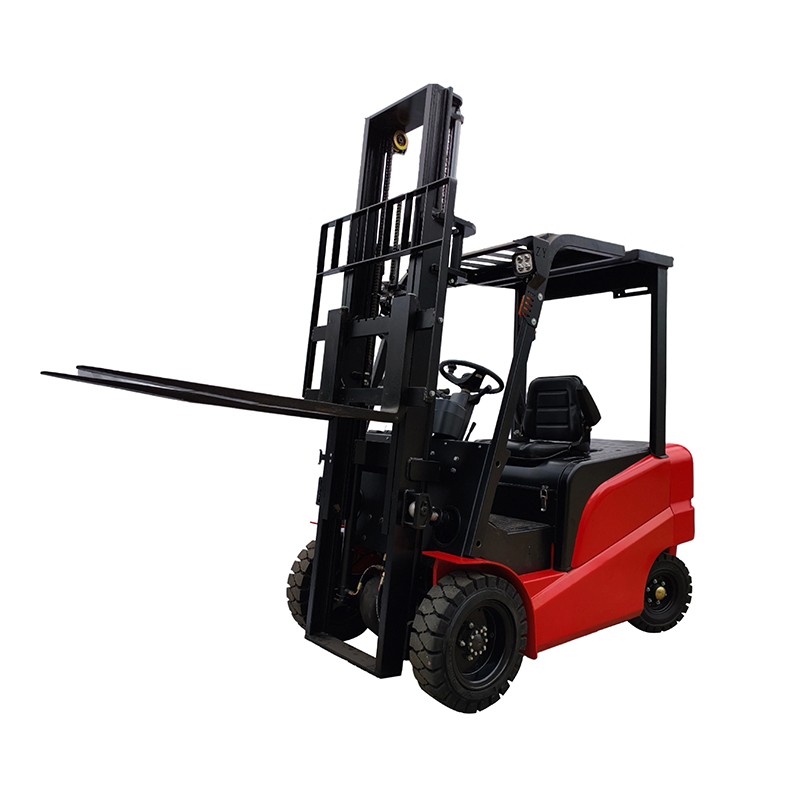
Electric forklifts have become indispensable tools in modern warehouses and industrial settings due to their zero emissions, quiet operation, and energy efficiency. Unlike traditional internal combustion forklifts, electric models rely on rechargeable batteries, making them ideal for indoor use where air quality and noise control are critical. However, operating an electric forklift requires specialized knowledge of its controls, safety protocols, and maintenance procedures. This article provides a step-by-step guide to mastering electric forklift operation while emphasizing safety and efficiency.
Solutions for Safe and Effective Electric Forklift Operation
1.Pre-Operational Inspection
Before starting any task, conduct a thorough inspection of the electric forklift. Check for visible damage, such as cracks in the chassis or worn tires, and ensure all components are securely fastened. For electric models, inspect the battery cables for fraying or corrosion, verify electrolyte levels (using protective gear like gloves and goggles), and confirm the battery restraints are intact. Test the brakes, steering, and hydraulic controls for responsiveness. A malfunctioning component could lead to accidents, so report defects immediately and avoid using the forklift until repairs are made.
2.Starting and Basic Controls
Enter the forklift cabin and fasten the seatbelt. Familiarize yourself with the control panel, which typically includes a directional switch (forward/neutral/reverse), lift/lower levers, and emergency stop buttons. Turn the key to the "on" position and check the dashboard gauges for battery charge levels and warning lights. To move, select the desired direction and gently press the accelerator, maintaining a speed that allows for safe stops. Use the horn at intersections or blind spots to alert pedestrians.
3.Load Handling and Stability
Proper load handling is crucial to prevent tipping or dropping cargo. Position the forks at the correct height—just below the load’s base—and center them to distribute weight evenly. Tilt the mast slightly backward to secure the load before lifting. Never exceed the forklift’s rated capacity, which is usually displayed on the data plate. When traveling with a load, keep it as low as possible to maintain stability and visibility. If the load obstructs your view, drive in reverse while looking over your shoulder.
4.Battery Charging and Maintenance
Electric forklifts require regular battery charging to ensure uninterrupted operation. Follow these steps:
Park the forklift in a designated charging area with proper ventilation to disperse hydrogen gas.
Turn off the forklift and open the battery compartment.
Disconnect the battery cables (negative first) to avoid sparks.
Connect the charger cables to the battery terminals, ensuring correct polarity.
Charge the battery until it reaches full capacity, then disconnect the charger and close the compartment.
Avoid overcharging, as it can damage the battery and shorten its lifespan.
Key Considerations During Electric Forklift Operation
Speed and Maneuvering: Operate at speeds that allow for safe stops, especially on wet or uneven surfaces. Slow down when turning corners to prevent tipping.
Visibility: Maintain 360-degree awareness. Use mirrors and look in the direction of travel. Never carry passengers or allow anyone to ride on the forks.
Environmental Hazards: Watch for obstacles like pallets, debris, or low-hanging doors. Use caution when crossing dock plates or ramps.
Distractions: Avoid using phones or headphones while operating the forklift. Focus entirely on the task at hand.
Emergency Procedures: Know how to use the emergency stop button and fire extinguisher. In case of a spill (e.g., electrolyte leaks), evacuate the area and follow cleanup protocols.
Conclusion
Operating an electric forklift safely and efficiently demands a combination of technical skill, situational awareness, and adherence to protocols. By conducting pre-operational inspections, mastering basic controls, handling loads with care, and maintaining the battery properly, operators can minimize risks and maximize productivity. Remember, electric forklifts are powerful machines that require respect and diligence—never compromise on safety for speed or convenience. With training and practice, anyone can become proficient in electric forklift operation, contributing to a safer and more productive workplace.


