


How to use pallet truck
 Nov 06, 2025|
 View:489
In warehouses, factories, and logistics hubs worldwide, the humble pallet truck (also known as a pallet jack or hand truck) is an indispensable tool for moving heavy loads efficiently. Designed to lift and transport palletized goods, these manual or electric devices streamline operations by reducing manual lifting and minimizing the risk of injury. Whether you’re a seasoned warehouse worker or a novice handling cargo for the first time, mastering the use of a pallet truck is essential for safety and productivity. This guide will walk you through the step-by-step process of operating a pallet truck, highlight critical precautions, and offer tips to optimize its use.
Part 1: How to Operate a Pallet Truck
Operating a pallet truck requires attention to detail and adherence to proper techniques. Below is a structured approach to using both manual and electric models:
1.Preparing the Pallet Truck
Before lifting any load, inspect the pallet truck for damage. Check the wheels, forks, and hydraulic pump (for manual models) or battery (for electric ones). Ensure the forks are aligned and free of debris. For manual pallet trucks, lower the forks to the ground by pumping the handle downward. For electric models, power on the device and test the controls to confirm they respond smoothly.
2.Positioning the Forks
Slide the forks of the pallet truck into the openings of the pallet. Ensure they are centered and fully inserted to distribute weight evenly. If the pallet is uneven or damaged, avoid using it, as this can destabilize the load. For narrow pallets, adjust the fork width (if applicable) to match the pallet dimensions.
3.Lifting the Load
Manual Pallet Truck: Pump the handle upward using steady pressure until the pallet clears the ground. Do not over-pump, as this can strain the hydraulic system.
Electric Pallet Truck: Use the control lever or buttons to raise the forks gradually. Many models allow precise height adjustments, which is useful for stacking pallets.
Once lifted, tilt the handle slightly backward to secure the load in place.
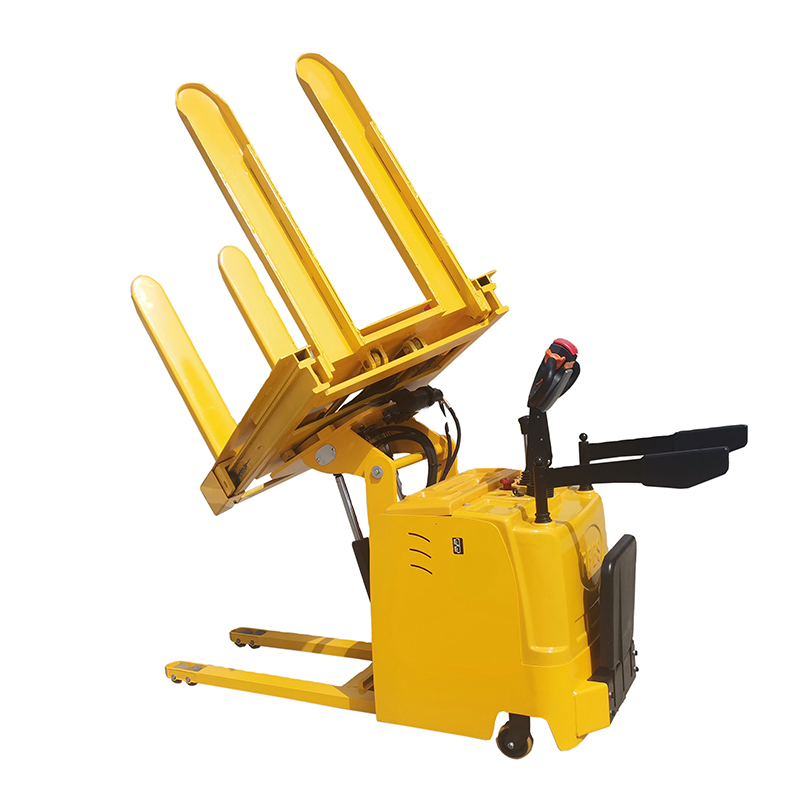
4.Moving the Pallet Truck
Grip the handle firmly and maintain an upright posture. Push the pallet truck forward for manual models, keeping your feet clear of the wheels. For electric models, use the throttle or drive lever to move at a controlled speed. Avoid sudden stops or turns, which can shift the load. Navigate corners slowly and use wide arcs to prevent tipping.
5.Lowering the Load
Manual Pallet Truck: Squeeze the release lever on the handle and lower the forks gently to the ground.
Electric Pallet Truck: Use the designated button or lever to descend the forks smoothly.
Never lower the load while the pallet truck is in motion, as this can cause accidents.
Part 2: Key Precautions When Using a Pallet Truck
Safety must always be prioritized when operating a pallet truck. Here are essential precautions to follow:
1.Weight Capacity: Never exceed the pallet truck’s maximum load limit, which is typically printed on the device. Overloading can damage the truck or cause it to tip over.
2.Surface Conditions: Avoid uneven or slippery floors, as they can lead to loss of control. Use the pallet truck only on smooth, dry surfaces.
3.Ramp Usage: When moving up or down ramps, keep the load elevated on the uphill side and proceed slowly. For electric models, engage the brake when stationary.
4.Visibility: Ensure the path ahead is clear of obstacles, people, or other equipment. Use a spotter if visibility is obstructed.
5.Maintenance: Regularly inspect the pallet truck for worn wheels, loose bolts, or hydraulic leaks. Lubricate moving parts as needed and charge electric models according to the manufacturer’s guidelines.
Part 3: Conclusion
Mastering the use of a pallet truck is a straightforward yet critical skill for anyone involved in material handling. By following the steps outlined above—from positioning the forks correctly to adhering to safety protocols—you can enhance efficiency while minimizing risks. Remember that regular maintenance and respecting the pallet truck’s limitations are just as important as proper operation. Whether you’re moving a single pallet or managing a high-volume warehouse, a well-used pallet truck is a reliable ally in achieving seamless logistics.
In conclusion, the pallet truck is more than just a tool; it’s a cornerstone of modern workflow efficiency. By investing time in learning its mechanics and safety features, you not only protect yourself and others but also extend the lifespan of the equipment. So, the next time you reach for a pallet truck, do so with confidence—and with respect for the power it holds to simplify even the heaviest of tasks.


