


What is the best electric forklift
 Apr 27, 2026|
 View:285
In the realm of modern material handling, electric forklifts have emerged as a game-changer, offering a blend of efficiency, sustainability, and versatility that is transforming warehouse operations worldwide. As businesses increasingly prioritize environmental responsibility and cost-effectiveness, the demand for electric forklifts has surged, prompting manufacturers to innovate continuously to meet evolving needs. This article delves into the intricacies of electric forklifts, exploring their benefits, key features, and factors to consider when selecting the best model for your operations.
The Rise of Electric Forklifts
Electric forklifts, powered by rechargeable batteries, have long been the preferred choice for indoor applications where emissions and noise pollution are major concerns. Unlike their internal combustion engine (ICE) counterparts, electric forklifts produce zero tailpipe emissions, making them ideal for enclosed spaces such as warehouses, distribution centers, and manufacturing facilities. Furthermore, advancements in battery technology, particularly lithium-ion, have significantly extended the runtime and reduced charging times of electric forklifts, enabling them to compete with ICE models in terms of productivity and uptime.
Benefits of Electric Forklifts
Environmental Sustainability
One of the most compelling advantages of electric forklifts is their environmental friendliness. By eliminating the need for fossil fuels, these vehicles contribute to reducing greenhouse gas emissions and improving air quality. This is particularly important in urban areas where air pollution is a pressing issue. Additionally, electric forklifts generate less noise, creating a more pleasant and safer working environment for operators and nearby personnel.
Cost-Effectiveness
While the initial purchase price of an electric forklift may be higher than that of an ICE model, the long-term cost savings are substantial. Electric forklifts have lower operating costs due to reduced fuel consumption and maintenance requirements. Batteries, although a significant upfront investment, have a longer lifespan compared to traditional lead-acid batteries and require less frequent replacement. Moreover, electric forklifts do not require oil changes, spark plug replacements, or exhaust system maintenance, further reducing operational expenses.
Enhanced Performance
Modern electric forklifts are equipped with advanced technologies that enhance their performance and efficiency. AC drive systems, for instance, provide smoother acceleration and deceleration, improving operator control and reducing tire wear. Regenerative braking systems capture energy during braking and return it to the battery, extending runtime and reducing energy consumption. Additionally, electric forklifts offer precise speed control and maneuverability, making them ideal for navigating tight spaces and handling delicate loads.
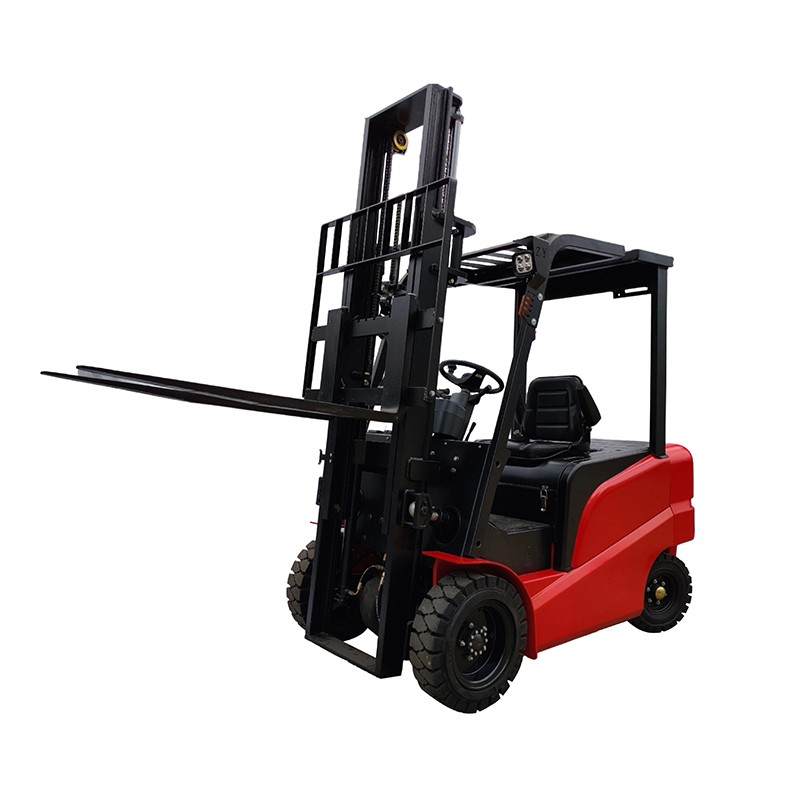
Key Features to Consider When Choosing an Electric Forklift
Load Capacity
The load capacity of an electric forklift is a critical factor to consider, as it determines the types of materials and weights the vehicle can safely lift and transport. Businesses should assess their typical load sizes and weights to select a forklift with an appropriate capacity. Overloading a forklift can lead to accidents, equipment damage, and reduced productivity.
Lift Height
The lift height of an electric forklift refers to the maximum height the forks can reach when fully extended. This is particularly important in warehouses with high shelving or racking systems. Businesses should ensure that the forklift's lift height matches or exceeds the height of their storage systems to maximize storage efficiency and accessibility.
Battery Technology
The type of battery used in an electric forklift significantly impacts its performance, runtime, and charging times. Lithium-ion batteries are becoming increasingly popular due to their high energy density, fast charging capabilities, and long lifespan. However, they may come at a higher cost compared to traditional lead-acid batteries. Businesses should weigh the benefits and costs of different battery technologies to select the most suitable option for their needs.
Maneuverability and Ergonomics
Maneuverability is crucial in warehouse environments where space is often limited. Electric forklifts with compact designs, tight turning radii, and responsive steering systems are ideal for navigating narrow aisles and congested areas. Additionally, ergonomic features such as adjustable seats, intuitive controls, and clear sightlines enhance operator comfort and reduce fatigue, improving productivity and safety.
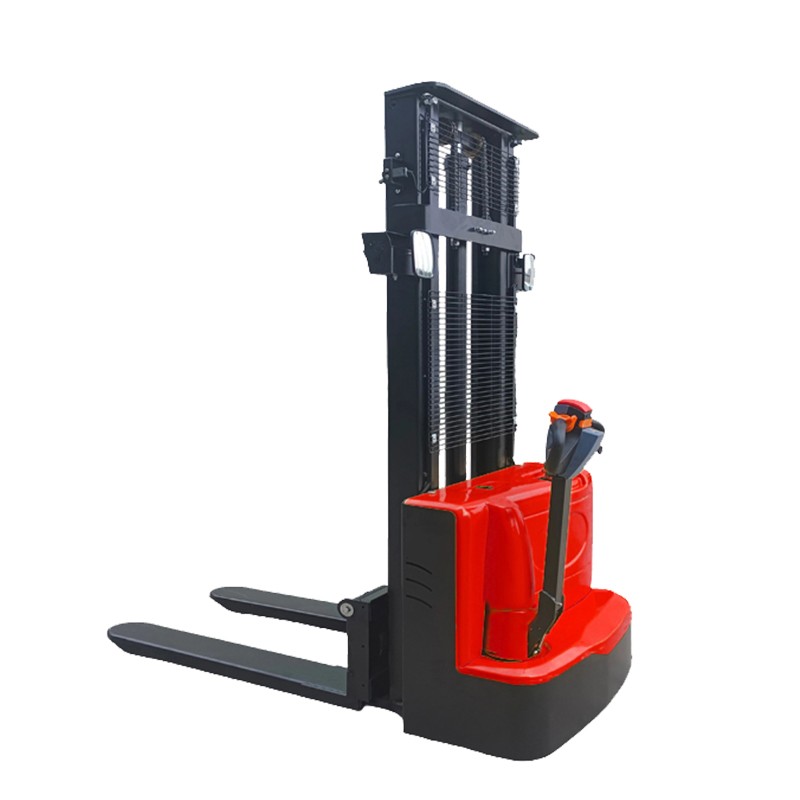
Maintenance and Support
Regular maintenance is essential to ensure the optimal performance and longevity of an electric forklift. Businesses should consider the availability of spare parts, the ease of maintenance procedures, and the level of technical support provided by the manufacturer or dealer. A reliable maintenance and support network can minimize downtime and keep the forklift running smoothly.
The Future of Electric Forklifts
As technology continues to advance, the future of electric forklifts looks promising. Innovations in battery technology, such as solid-state batteries, promise even higher energy densities, faster charging times, and longer lifespans. Additionally, the integration of smart technologies, such as telematics systems and autonomous navigation, will further enhance the efficiency and safety of electric forklifts. These advancements will enable businesses to optimize their material handling operations, reduce costs, and achieve their sustainability goals.
Conclusion
In conclusion, the best electric forklift is one that meets the specific needs and requirements of your business. By considering factors such as load capacity, lift height, battery technology, maneuverability, and maintenance support, you can select a forklift that enhances productivity, reduces costs, and contributes to a more sustainable future. As the demand for electric forklifts continues to grow, manufacturers will continue to innovate, offering even more advanced and efficient models. Embracing electric forklifts is not just a trend; it's a strategic move towards a more efficient, cost-effective, and environmentally friendly material handling solution. Whether you're operating a small warehouse or a large distribution center, investing in the right electric forklift can make a significant difference in your operations and bottom line.


