


Can you use an electric forklift in the rain
 Oct 13, 2025|
 View:352
Electric forklifts have become indispensable in modern warehouses, logistics centers, and industrial facilities due to their efficiency, low emissions, and quiet operation. However, one recurring question arises: Can you safely use an electric forklift in the rain? The answer hinges on understanding the design, safety protocols, and environmental limitations of these machines. This article explores the feasibility, risks, and best practices for operating electric forklifts in wet conditions.
Understanding Electric Forklift Design and Water Resistance
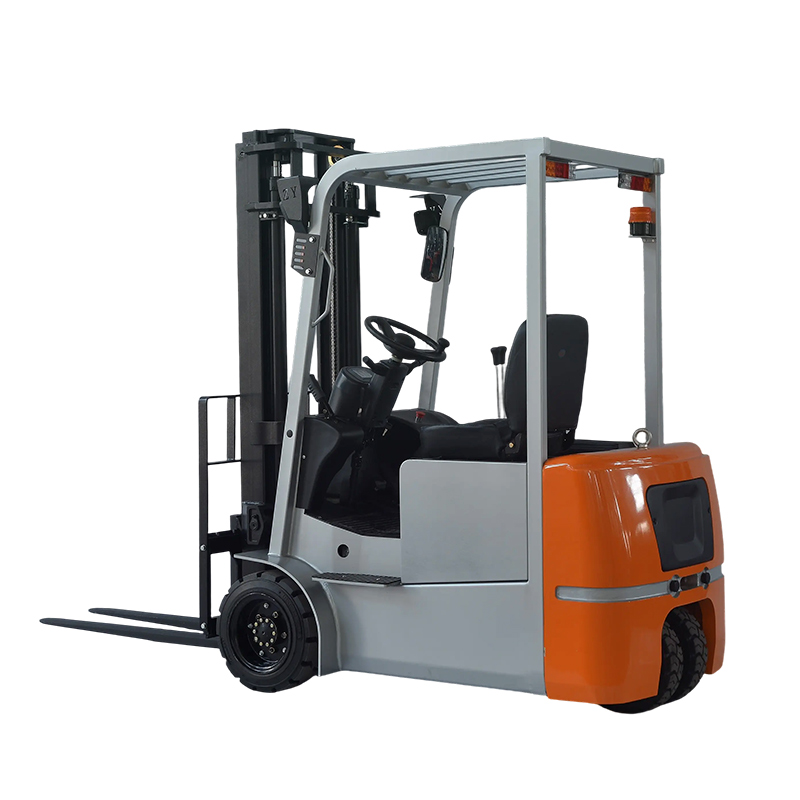
Electric forklifts are powered by rechargeable batteries and electric motors, which differ significantly from internal combustion (IC) forklifts that run on diesel or gasoline. Unlike IC models, electric forklifts lack exhaust systems, making them cleaner and more suitable for indoor use. However, their vulnerability to water exposure stems from electrical components, including batteries, controllers, and wiring.
Most electric forklifts are built to withstand moderate moisture, such as humidity or light splashes, but they are not inherently waterproof. Manufacturers typically assign an Ingress Protection (IP) rating to indicate resistance to dust and water. For example, an IP54-rated forklift can withstand limited dust ingress and low-pressure water jets from any direction. Higher ratings, like IP65 or IP67, offer greater protection but are less common in standard models.
Key Components at Risk:
1.Batteries: Sealed lead-acid or lithium-ion batteries are generally water-resistant but can short-circuit if submerged or exposed to heavy rain.
2.Electrical Controls: Sensitive circuits and connectors may corrode or malfunction if water penetrates the casing.
3.Motors and Wiring: Prolonged exposure to moisture can degrade insulation and lead to electrical failures.
Risks of Operating Electric Forklifts in the Rain
Using an electric forklift in wet conditions poses several hazards:
1.Electrical Hazards: Water can conduct electricity, increasing the risk of short circuits, sparks, or electrocution if operators touch wet controls.
2.Slippery Surfaces: Rain reduces traction, raising the likelihood of skidding or tipping over, especially when carrying heavy loads.
3.Reduced Visibility: Rain and fog impair the operator’s view, complicating maneuvering in tight spaces.
4.Corrosion: Continuous exposure to moisture accelerates rust in metal parts, shortening the forklift’s lifespan.
While occasional use in light rain may be manageable, prolonged operation in heavy downpours or standing water is strongly discouraged.
Best Practices for Safe Operation in Wet Conditions
To mitigate risks, follow these guidelines when using an electric forklift in the rain:
1.Check IP Ratings: Ensure the forklift meets the environmental conditions of your workspace. Opt for models with higher IP ratings if outdoor use is frequent.
2.Avoid Puddles and Standing Water: Keep the forklift on dry or slightly damp surfaces. Submersion can damage electrical systems irreparably.
3.Use Protective Covers: Install waterproof covers for the battery compartment and control panels.
4.Reduce Speed and Load: Operate at slower speeds to maintain stability and avoid overloading, which increases the risk of skidding.
5.Dry Equipment After Use: Wipe down the forklift thoroughly to prevent moisture buildup.
6.Regular Maintenance: Inspect for signs of corrosion, damaged wiring, or water intrusion. Replace compromised parts immediately.
7.Train Operators: Ensure staff understand the limits of electric forklifts in wet conditions and emphasize caution.
Alternatives to Using Electric Forklifts in the Rain
If wet conditions are frequent, consider these alternatives:
Internal Combustion Forklifts: Diesel or propane-powered models are better suited for outdoor use in rain, as their engines are sealed against moisture.
All-Weather Forklifts: Some manufacturers offer electric forklifts with enhanced waterproofing for outdoor applications.
Sheltered Work Areas: Use canopies or temporary shelters to protect electric forklifts during rain.
Conclusion
While electric forklifts offer numerous advantages, their suitability for rainy conditions depends on careful evaluation of risks and adherence to safety protocols. Light rain or humidity may not pose significant threats if the forklift has adequate IP ratings and protective measures are in place. However, heavy rain, flooding, or prolonged exposure to moisture can compromise the electric forklift’s performance and safety. By prioritizing maintenance, operator training, and environmental awareness, businesses can maximize the utility of electric forklifts while minimizing hazards. Ultimately, the decision to use an electric forklift in the rain should balance operational needs with the machine’s design limitations—ensuring both efficiency and safety remain at the forefront.


