


How much does a counterbalance forklift cost
 May 19, 2026|
 View:236
When it comes to material handling, the counterbalance forklift reigns supreme — a true workhorse of warehouses, manufacturing plants, distribution centers, and even construction sites worldwide. These machines, distinguished by their heavy rear counterweight that balances the load carried on the front forks, are the most commonly used powered industrial trucks on the planet. But if you're in the market for one, the burning question on your mind is undeniably: how much does a counterbalance forklift cost? The answer, as you might expect, is far more nuanced than a single number. It depends on power type, capacity, brand, condition, and the total cost of ownership you're willing to commit to. In this comprehensive guide, we'll break down every dollar, every pound, and every factor that determines the price tag of these indispensable machines — with a special focus on the counterbalance electric forklift, which has emerged as the gold standard for modern operations.
Understanding the Counterbalance Forklift Landscape
Before diving into numbers, let's establish what we're talking about. A counterbalance forklift carries its load on forks at the front, offset by a substantial weight at the rear. This elegant design eliminates the need for stabilizing arms or reach mechanisms, allowing the truck to drive straight up to pallets and loads. Available in both three-wheel and four-wheel configurations, counterbalance forklifts come powered by gasoline, diesel, propane, or — increasingly — electricity. The counterbalance electric forklift has been gaining massive ground, thanks to lithium-ion battery technology that delivers max performance, zero emissions, and dramatically lower operating costs.
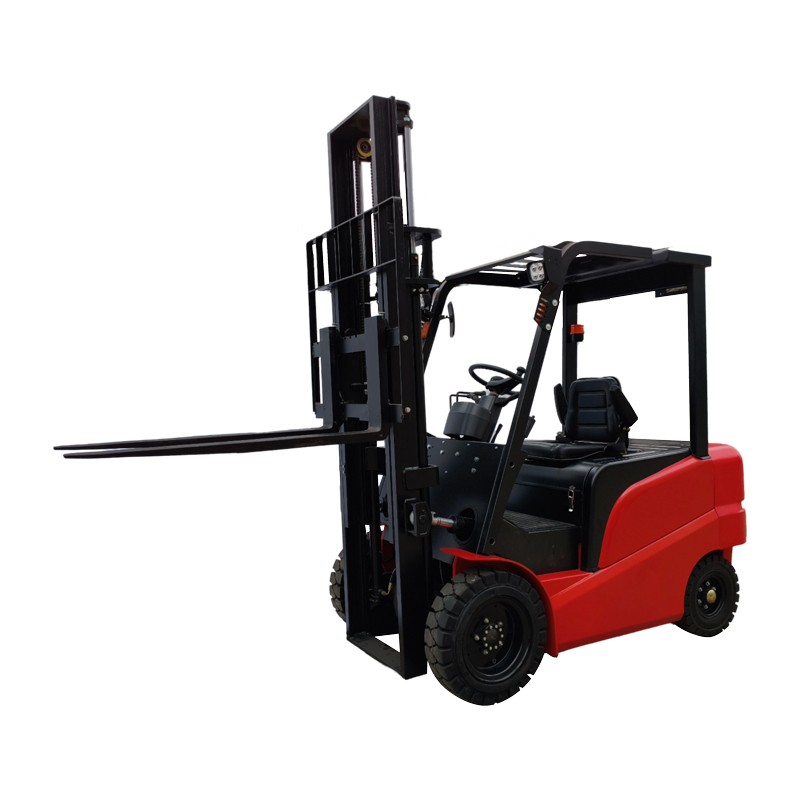
According to industry data from 2026, a counterbalance electric forklift with a capacity of 2,000 to 3,500 kg can be acquired brand new starting from approximately £9,999 in the UK market. For a more robust unit — say, a 2,500 kg to 3,500 kg capacity model with a 4,700mm lift height — prices climb accordingly. Meanwhile, heavy-duty counterbalance electric forklifts from brands like Kalmar can handle 20,000 to 40,000 lb loads, though these are purpose-built for industrial-scale operations and command premium pricing.
New vs. Used: The Price Divide
The most immediate factor influencing cost is whether you buy new or used. A brand-new counterbalance electric forklift with comparable capacity to a diesel model (around 2,500 kg with superelastic tyres) carries an acquisition cost of roughly £25,000, whereas a diesel equivalent sits at about £20,000. Yes — the electric option costs roughly £5,000 more upfront. But here's where the story flips dramatically.
On the used market, a reconditioned 2,500 kg counterbalance electric forklift can be acquired for between £8,000 and £10,000 — a steal compared to new pricing. This makes the used counterbalance electric forklift an incredibly attractive option for fleet managers looking to electrify without breaking the bank.
Total Cost of Ownership: Where Electric Wins Big
The acquisition price tells only half the story. The real metric that matters is Total Cost of Ownership (TCO) — and this is where the counterbalance electric forklift absolutely crushes its internal combustion engine (ICE) counterparts.
Let's look at the hard numbers based on 750 operating shifts per year:
| Cost Category | Counterbalance Electric Forklift | Diesel Forklift | LPG Forklift |
| Annual Fuel/Energy Cost | £2,000 – £3,000 | £5,000 – £6,000 | £5,500 – £6,500 |
| Annual Maintenance Cost | Significantly lower | £1600+ | Higher than electric |
The counterbalance electric forklift has fewer moving parts than any ICE model, translating to dramatically less maintenance, fewer breakdowns, and less lost productivity. Over a typical five-year lifespan, a counterbalance electric forklift can save operators tens of thousands of pounds compared to diesel or LPG alternatives. When you factor in zero emissions, lower noise levels, reduced operator fatigue, and ergonomic features that prevent repetitive strain injuries (RSI), the counterbalance electric forklift isn't just a purchase — it's an investment that pays for itself.
Capacity and Configuration: Price Drivers
Capacity is another massive price driver. A lightweight counterbalance electric forklift rated at 2,000–3,000 lb (roughly 900–1,360 kg) is ideal for tight warehouse aisles and lighter loads. Three-wheel electric models in this range are highly maneuverable and typically start from around £15,000 to £20,000 new. Stand-up counterbalance electric models in the 3,000–4,000 lb range offer even greater versatility for narrow-aisle operations.
Step up to the 5,000–6,500 lb class, and you're looking at pneumatic tire counterbalance electric forklift models built for heavier loads and outdoor use — these command prices in the £25,000 to £40,000+ range. At the extreme end, heavy-duty electric counterbalance trucks rated at 20,000–40,000 lb are purpose-built for massive industrial operations and can exceed £100,000.
Lithium-ion battery technology has further boosted the value proposition of the counterbalance electric forklift. Unlike traditional lead-acid batteries, lithium-ion packs charge faster, last longer, and require virtually no maintenance — making the counterbalance electric forklift more productive and more reliable than ever before.
Why the Counterbalance Electric Forklift Dominates in 2026
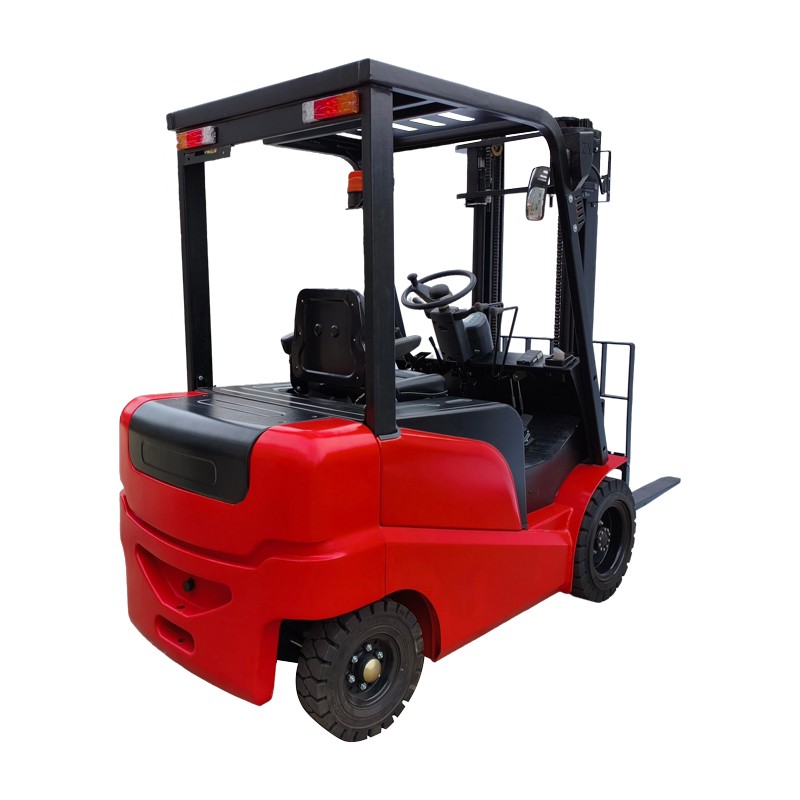
As of May 2026, the counterbalance electric forklift is no longer the premium alternative — it's the default choice for forward-thinking operations. The combination of cutting-edge AC technology, lithium-ion power, and industry-leading TCO has made the counterbalance electric forklift the most cost-effective material handling solution available. Whether you need a compact three-wheel model for tight aisles or a robust four-wheel unit for heavy-duty dock work, the counterbalance electric forklift delivers unmatched versatility, safety, and efficiency.
Conclusion
So, how much does a counterbalance forklift cost? The short answer: it depends — but the counterbalance electric forklift offers the best value by a mile. Starting from around £9,999 for entry-level models and scaling up to six figures for heavy-duty units, the counterbalance electric forklift delivers superior performance, minimal operating costs, and unmatched environmental benefits. When you calculate the total cost of ownership over five years, the counterbalance electric forklift saves thousands compared to diesel and LPG alternatives — making it not just the smartest choice, but the only choice for modern material handling operations. If you're serious about efficiency, safety, and long-term savings, the counterbalance electric forklift is where your money should go. Invest wisely, electrify boldly, and let the counterbalance electric forklift power your operation into the future.


