


How much does a reach truck cost
 Apr 16, 2026|
 View:260
In the dynamic landscape of warehouse and logistics operations, reach trucks have emerged as indispensable equipment for efficient material handling. These specialized forklifts, designed to operate in narrow aisles and reach high storage levels, play a crucial role in optimizing space utilization and enhancing productivity. However, for businesses considering investing in reach trucks, one of the most pressing questions is: How much does a reach truck cost? This article delves into the various factors influencing the cost of reach trucks, providing a comprehensive overview to help potential buyers make informed decisions.
Understanding Reach Truck Basics
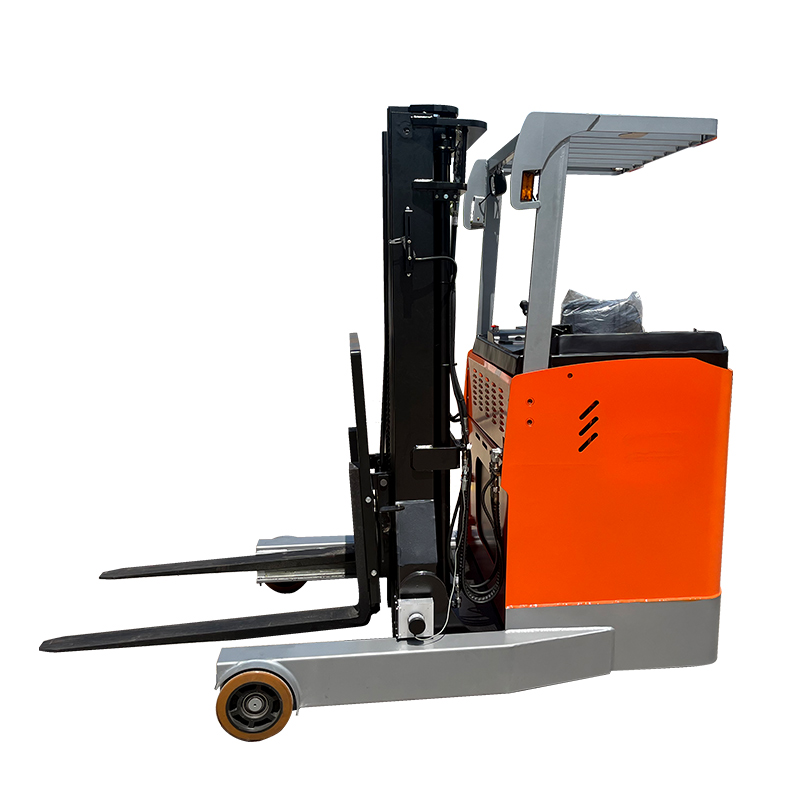
Before exploring the cost aspects, it is essential to understand what a reach truck is and its primary functions. A reach truck is a type of forklift characterized by its ability to extend its forks forward and backward, in addition to the standard up-and-down movement. This unique feature enables reach trucks to reach into narrow aisles and retrieve or deposit pallets at elevated heights, making them ideal for high-density storage environments such as warehouses, distribution centers, and retail stores.
Factors Influencing Reach Truck Costs
The cost of a reach truck can vary significantly depending on several factors, including load capacity, lift height, power source, features and technology, and brand reputation. Let's examine each of these factors in detail.
1.Load Capacity
One of the most critical factors determining the cost of a reach truck is its load capacity. Reach trucks are available in various load capacities, ranging from as low as 1 ton to over 5 tons. Generally, reach trucks with higher load capacities command a higher price tag due to their robust construction, stronger motors, and enhanced safety features required to handle heavier loads safely and efficiently. For instance, a basic 1.5-ton reach truck might cost around 12,000 to 15,000, while a 3-ton model could cost upwards of $20,000.
2.Lift Height
Another significant factor influencing reach truck costs is the lift height. Reach trucks are designed to reach elevated storage levels, and the maximum lift height can vary from a few meters to over 10 meters. As the lift height increases, so does the complexity of the mast design, the strength of the components, and the overall stability requirements of the reach truck. Consequently, reach trucks with higher lift heights tend to be more expensive. For example, a reach truck with a lift height of 5 meters might cost around 16,000,while a model capable of reaching 8 meters or more could cost 25,000 or more.
3.Power Source
Reach trucks are powered by either electric motors or internal combustion engines (ICE). Electric reach trucks are more common in indoor applications due to their zero emissions, quiet operation, and lower maintenance requirements. On the other hand, ICE reach trucks are suitable for outdoor use or in environments where electricity is not readily available. Electric reach trucks generally cost more upfront than their ICE counterparts due to the cost of batteries and electric motors. However, they offer long-term savings in terms of fuel costs and reduced maintenance. An electric reach truck might cost between 15,000 and 30,000, depending on the specifications, while an ICE model could range from 12,000 to 25,000.
4.Features and Technology
Modern reach trucks come equipped with a range of features and technologies aimed at enhancing safety, productivity, and operator comfort. These may include advanced control systems, ergonomic cabs, energy recovery systems, telematics solutions, and collision avoidance systems. Reach trucks with more sophisticated features and technologies tend to be more expensive. For instance, a reach truck with an energy recovery system that captures and reuses energy during braking and lowering operations might cost several thousand dollars more than a basic model without this feature. Similarly, reach trucks equipped with telematics solutions that provide real-time data on vehicle performance, location, and maintenance needs can also command a premium price.
5.Customization Options
Many manufacturers offer customization options for reach trucks to meet specific customer requirements. These may include custom fork lengths, widths, and shapes, specialized tires for different floor conditions, and unique color schemes or branding. Customization can add to the overall cost of a reach truck, depending on the complexity and extent of the modifications. However, it allows businesses to tailor the reach truck to their exact needs, potentially improving efficiency and reducing operational costs in the long run.
6.After-Sales Support and Warranty
The level of after-sales support and warranty offered by the manufacturer can also influence the cost of a reach truck. Manufacturers that provide comprehensive after-sales support, including training, maintenance, and spare parts availability, may charge a higher price for their reach trucks. Similarly, a longer warranty period can provide peace of mind to buyers but may also be reflected in the upfront cost. It is essential to consider the long-term value of after-sales support and warranty when evaluating the overall cost of a reach truck.
Additional Costs to Consider
In addition to the purchase price of a reach truck, there are several other costs that businesses need to consider when budgeting for this investment. These include:
1.Delivery and Installation
The cost of delivering and installing a reach truck can vary depending on the distance, location, and complexity of the installation. Some manufacturers may include delivery and installation in the purchase price, while others may charge separately. It is essential to clarify these details with the manufacturer or supplier before making a purchase.
2.Training
Operating a reach truck requires specialized training to ensure safety and efficiency. Businesses need to invest in training programs for their operators, which can add to the overall cost of owning a reach truck. However, proper training can reduce the risk of accidents and damage to the reach truck and inventory, ultimately saving money in the long run.
3.Maintenance and Repairs
Regular maintenance is crucial to keep a reach truck in good working condition and extend its lifespan. Businesses need to budget for routine maintenance tasks such as oil changes, filter replacements, and tire rotations, as well as unexpected repairs. The cost of maintenance and repairs can vary depending on the reach truck's age, usage, and the availability of spare parts.
4.Insurance
Insuring a reach truck is essential to protect against potential liabilities and damages. The cost of insurance can vary depending on factors such as the reach truck's value, usage, and the business's location. It is advisable to obtain quotes from several insurance providers to find the best coverage at a competitive price.
Conclusion
In conclusion, the cost of a reach truck can vary significantly depending on several factors, including load capacity, lift height, power source, features and technology, customization options, and after-sales support. Businesses considering investing in reach trucks need to carefully evaluate their specific needs and budget constraints to choose the right model that offers the best value for money. While the upfront cost is an important consideration, it is also essential to factor in additional costs such as delivery and installation, training, maintenance and repairs, and insurance to get a comprehensive understanding of the total cost of ownership. By making an informed decision, businesses can leverage the benefits of reach trucks to enhance their warehouse operations, improve productivity, and gain a competitive edge in the market. Reach trucks, with their unique ability to operate in narrow aisles and reach high storage levels, are indeed a valuable asset for any business looking to optimize its material handling processes.


