


How much is a reach truck
 Mar 26, 2026|
 View:248
In the dynamic world of material handling and warehouse logistics, reach trucks have emerged as indispensable tools for maximizing storage density and operational efficiency. These specialized forklifts, designed to operate in narrow aisles and reach elevated heights, are widely used across various industries, from retail distribution centers to cold storage facilities. However, one of the most common questions asked by potential buyers is, "How much does a reach truck cost?" This article delves into the factors influencing reach truck prices, explores different types and their cost implications, and provides insights into making an informed purchase decision.
Understanding Reach Trucks: A Brief Overview
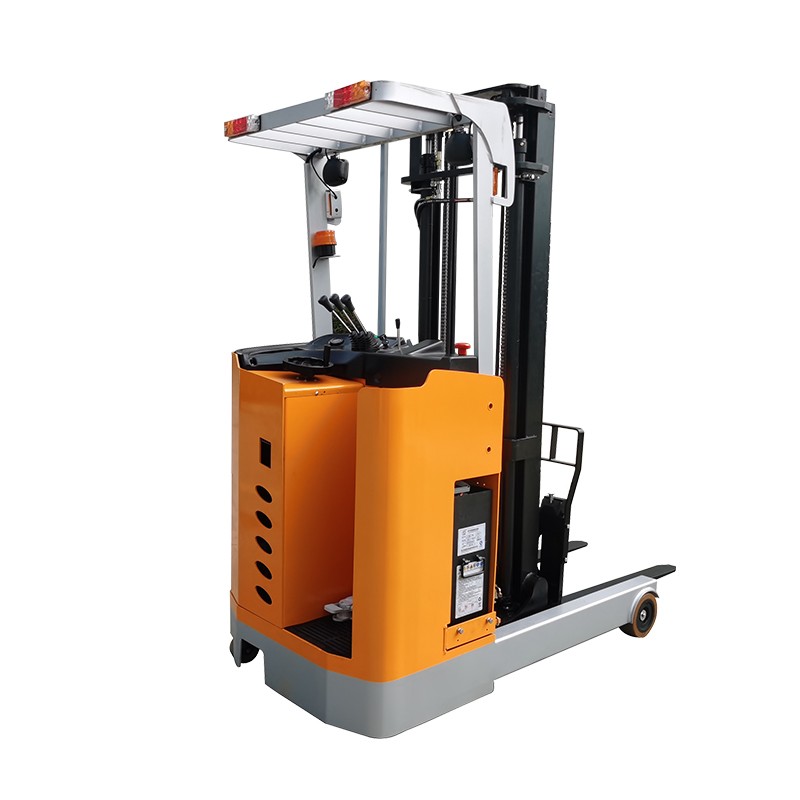
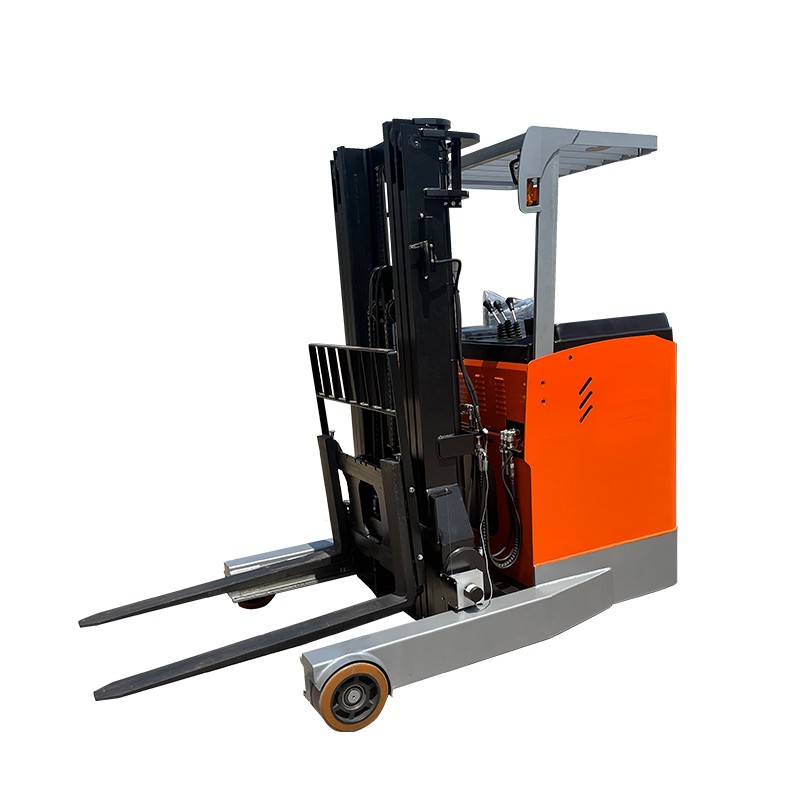
Before discussing costs, it's essential to understand what a reach truck is and what sets it apart from traditional forklifts. A reach truck, also known as a reach forklift, is a specialized material handling vehicle equipped with a telescoping mast and an extendable fork mechanism. This design allows the operator to place or retrieve pallets several feet forward from the truck's body, enabling access to deep racking systems without requiring wide turning radii.
Reach trucks are particularly suited for high-density storage environments where space is at a premium. Their compact design and precision control make them ideal for stacking and retrieving pallets at elevated heights, significantly improving warehouse density and operational efficiency.
Factors Influencing Reach Truck Prices
The cost of a reach truck can vary significantly based on several factors, including type, lifting capacity, mast height, power source, and advanced features. Understanding these factors is crucial for buyers to make an informed decision that aligns with their budget and operational requirements.
1.Type of Reach Truck
Reach trucks come in various types, each designed for specific applications and environments. The most common types include:
Standard Reach Trucks: These are the most basic models, featuring a single or dual-stage mast and a standard reach mechanism for typical pallet handling. They are cost-effective for general warehouse use and widely available with competitive pricing.
Double Reach Trucks: Equipped with an extended reach mechanism, double reach trucks can access two pallet positions deep within racking systems. This capability increases storage density but comes at a higher initial cost compared to standard models.
Triple Reach Trucks: Advanced models with triple-stage reach capability, enabling access to three pallet positions deep. These trucks maximize vertical and depth storage utilization but are premium-priced due to their complexity.
Pedestrian Reach Trucks: Compact, walk-behind models designed for light-duty stacking in very narrow or confined spaces. They are lower in cost and energy consumption but have limited lifting capacity.
2.Lifting Capacity
The lifting capacity of a reach truck is another critical factor influencing its price. Reach trucks typically have lifting capacities ranging from 1.2 tons to 3.0 tons or more. Higher lifting capacities require more robust construction and stronger components, leading to increased costs. For instance, a 3.0-ton reach truck will generally be more expensive than a 1.5-ton model.
3.Mast Height
The mast height determines how high a reach truck can lift pallets. Reach trucks are available with mast heights ranging from 3 meters to over 10 meters, depending on the model and application. Higher mast heights require more complex and durable mast systems, which can drive up the cost of the truck. For example, a reach truck with an 8-meter mast height will be more expensive than one with a 5-meter mast.
4.Power Source
Reach trucks can be powered by electricity (either lead-acid or lithium-ion batteries) or, less commonly, by diesel or gasoline engines. Electric reach trucks are the most popular choice for indoor use due to their zero tailpipe emissions, quiet operation, and lower long-term operating costs. However, the initial cost of an electric reach truck can be higher than that of a diesel or gasoline-powered model, primarily due to the cost of the battery and charging infrastructure.
Lithium-ion batteries, while more expensive upfront, offer several advantages over lead-acid batteries, including longer lifespan, faster charging times, and lower maintenance requirements. These benefits can justify the higher initial cost for many buyers.
5.Advanced Features
Modern reach trucks often come equipped with advanced features designed to enhance safety, productivity, and operator comfort. These features can include:
Stability Control Systems: These systems help prevent tip-overs by monitoring the truck's stability and adjusting the mast or fork position accordingly.
Anti-Tip Technology: Similar to stability control, anti-tip technology uses sensors and algorithms to detect potential tipping hazards and take corrective action.
Operator Assistance Systems: These systems provide real-time feedback and guidance to the operator, helping them navigate narrow aisles and position pallets accurately.
Ergonomic Design: Features such as adjustable seats, armrests, and control panels improve operator comfort and reduce fatigue during long shifts.
While these advanced features can significantly enhance the performance and safety of a reach truck, they also contribute to its overall cost. Buyers must weigh the benefits of these features against their budget constraints to make an informed decision.
Price Ranges for Different Types of Reach Trucks
Based on the factors discussed above, the price of a reach truck can vary widely. Here's a general overview of price ranges for different types of reach trucks:
Standard Reach Trucks: These models typically range from 6,000 to 15,000, depending on lifting capacity, mast height, and power source.
Double Reach Trucks: Due to their extended reach capability, double reach trucks are generally priced higher, ranging from 12,000 to 25,000.
Triple Reach Trucks: As the most advanced models, triple reach trucks can cost anywhere from 20,000 to 40,000 or more, depending on specifications and features.
Pedestrian Reach Trucks: These compact models are the most affordable, with prices ranging from 3,000 to 8,000.
It's important to note that these price ranges are approximate and can vary based on the manufacturer, region, and specific configuration of the reach truck. Additionally, buyers should consider the cost of optional features, accessories, and after-sales service when budgeting for a reach truck.
Making an Informed Purchase Decision
When considering the purchase of a reach truck, buyers should take a holistic approach that considers not only the initial cost but also the long-term value and return on investment (ROI). Here are some key considerations to keep in mind:
Operational Requirements: Assess your warehouse layout, storage density, and pallet handling needs to determine the most suitable type and specifications for your reach truck.
Budget Constraints: Establish a realistic budget that accounts for the initial cost of the reach truck, as well as ongoing expenses such as maintenance, repairs, and energy consumption.
Total Cost of Ownership (TCO): Consider the TCO of the reach truck over its expected lifespan, including factors such as depreciation, financing costs, and resale value.
After-Sales Service and Support: Choose a reputable manufacturer or supplier that offers comprehensive after-sales service and support, including warranty coverage, spare parts availability, and technical assistance.
Training and Operator Safety: Ensure that your operators receive proper training on how to operate the reach truck safely and efficiently. Investing in operator training can reduce the risk of accidents and injuries, leading to lower insurance costs and improved productivity.
Conclusion
In conclusion, the cost of a reach truck can vary significantly based on several factors, including type, lifting capacity, mast height, power source, and advanced features. While standard reach trucks are generally the most affordable option, double and triple reach trucks offer increased storage density and operational efficiency at a higher initial cost. Pedestrian reach trucks provide a cost-effective solution for light-duty stacking in confined spaces.
When considering the purchase of a reach truck, buyers should take a comprehensive approach that considers not only the initial cost but also the long-term value and ROI. By assessing their operational requirements, budget constraints, and TCO, buyers can make an informed decision that aligns with their needs and goals. Ultimately, investing in a high-quality reach truck can significantly improve warehouse productivity, safety, and storage density, making it a valuable asset for any material handling operation. Whether you're looking for a standard reach truck for general warehouse use or a specialized model for high-density storage, understanding the factors influencing reach truck prices is essential for making a smart purchase decision.


